

Flip or Flee? How to Spot a Bad Reno in a Good-Looking Home
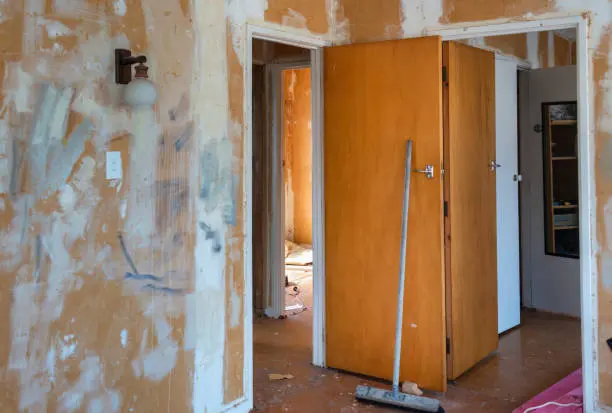
In today’s fast-paced housing market, it’s easy to fall for a beautifully staged home with trendy fixtures, new paint, and modern finishes. But not all renovations are created equal. Some homes are flipped with care and craftsmanship, others are dressed up just enough to disguise deeper problems.
If you’re shopping for a home in Edmonton, Sherwood Park, or Leduc, real estate professional Ian Elliott can help you avoid the trap of a quick flip that looks good on the outside but could drain your wallet on the inside.
In this blog, we’ll show you how to spot a bad reno hiding behind fresh paint, and how to tell if it’s time to flip or flee.
1. The Fast Flip: What You’re Really Looking At
A fast flip is when an investor buys a home, does cosmetic renovations quickly and cheaply, then resells it at a higher price. While not all flips are bad, some cut corners to increase profits, leaving buyers with costly surprises later.
Signs of a hasty flip:
-
Entire home renovated within weeks
-
Trendy finishes but basic layout problems
-
Permits not easily available or missing
-
Brand-new appliances and tile, but old roof or furnace
-
Seller has owned the property for less than 6 months
Ian’s insight: “Flippers often bet on buyers falling in love with a kitchen island or marble backsplash. My job is to help you look beneath the surface.”
2. Look Beyond the Surface: Cosmetic vs. Structural
It’s easy to paint a wall or replace a faucet, but it’s not easy (or cheap) to fix bad wiring or water damage. Don’t get distracted by surface upgrades.
Inspect deeper areas like:
-
Electrical systems: Are the outlets grounded? Does the panel look modern and well-labeled?
-
Plumbing: Check under sinks for signs of leaks or cheap materials.
-
HVAC: Is the furnace new? How old is the AC unit?
-
Windows & doors: Do they open smoothly? Are they sealed well?
-
Roof & attic: Ask how old the roof is and check for proper insulation.
A house that looks new but still has an ancient furnace or patchy wiring is a red flag.
3. Bad Workmanship = Big Trouble Later
Some fast flips rely on unskilled labor or DIY jobs that don’t meet building code. Even worse, they may skip permits altogether, leaving you on the hook when problems emerge.
Watch for:
-
Uneven flooring or tile
-
Gaps around trim or doors
-
Mismatched materials or paint
-
Loose fixtures or squeaky stairs
-
Cabinet doors that don’t close right
-
Showers with poor drainage or cracked grout
Pro tip: If it looks sloppy, assume it was sloppy. Poor workmanship in visible places often means worse quality where you can’t see.
4. Ask About Permits and Inspections
If major work was done (electrical, plumbing, walls moved, foundation), it should be permitted and inspected. Don’t be afraid to ask for proof. No permits? That’s a huge liability for you.
Key questions:
-
Was the renovation completed with permits?
-
Can the seller provide documentation?
-
Are there inspection reports from city officials?
No paperwork = no trust.
5. Staging Can Be a Distraction
That stylish rug, big mirror, and perfect tray of croissants on the counter? Those are designed to make you feel emotionally connected. But don’t let clever staging keep you from checking the corners.
When touring a staged home:
-
Look behind furniture for wall damage or outlet issues
-
Open all cabinets and drawers, do they function properly?
-
Tap tiles to see if they’re hollow (sign of poor installation)
-
Check closets and basement corners for moisture or mold
Staging sells a fantasy. Your agent should help you stick to reality.
6. A Bad Reno Can Kill Your Budget
Imagine buying a “turnkey” home, only to discover:
-
The bathroom leaks into the ceiling below
-
The furnace quits after a month
-
The kitchen wiring fails an insurance inspection
These are not hypothetical, they happen all the time with fast flips. What seemed like a good deal can cost tens of thousands in repairs, stress, and regret.
7. Hire a Home Inspector (And a Smart Agent)
Even if you’re in love with a house, always get an independent home inspection. It’s your best line of defense against a cover-up. A good inspector will dig into the walls, crawlspaces, and systems to give you a clear picture of the home’s true condition.
And having a sharp agent like Ian Elliott ensures you’re not going in blind. Ian can spot the difference between a quality reno and a money pit dressed in subway tile.
8. When a Flip Is Worth It
Not all flips are bad! Some are done by reputable builders with full permits, expert tradespeople, and long-term value in mind.
Signs of a good flip:
-
Transparent paperwork and permits
-
Quality finishes and solid structure
-
Balanced budget, not just surface upgrades
-
Experienced flipper with good reputation
-
Clean, consistent workmanship throughout
Ian Elliott knows the local market, and the local renovators so he can help you verify which flips are trustworthy.
Final Thoughts: Buy Smart, Not Just Stylish
A beautiful backsplash is nice but it won’t keep your pipes from bursting. Don’t fall for the shine of a fast flip without checking what’s underneath. Take your time, ask questions, and trust a local expert to guide you.
Ready to avoid a money pit and find a home with real value?
Contact Ian Elliott: a trusted real estate expert who knows how to look beyond the lipstick and protect your investment.
📞 Call: 780-690-6694
📧 Email: ian@gpg.ca
🌐 Visit: https://edmontonalbertahomesforsale.ca
Categories
Recent Posts









GET MORE INFORMATION